Myrwala Font: Timeless Handwritten Style for Web Design
Integrating Myrwala into Wedding Invitation Websites and Digital Stationery
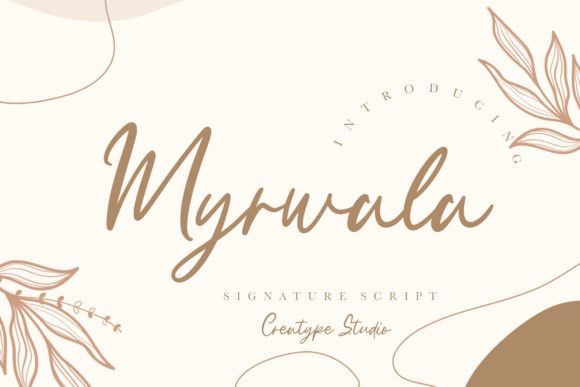
When selecting Fonts for high-emotion digital experiences, Myrwala serves as a relaxed and timeless handwritten font that translates the intimacy of physical paper to responsive screens. For web designers building wedding invitation platforms or digital stationery shops, this typeface offers a distinct advantage in establishing immediate emotional connection without sacrificing digital clarity. The organic flow of Myrwala mimics genuine penmanship, making it an ideal choice for hero sections on event landing pages where the primary goal is to convey warmth and personalization. Unlike rigid display fonts that can feel corporate or sterile, this script handwritten style introduces a human element that reduces bounce rates by making visitors feel personally welcomed.
In practical UI application, Myrwala excels when used for prominent headlines rather than dense body copy. On a wedding RSVP page or a digital save-the-date interface, utilizing this font for the couple’s names or the event title creates a clear visual hierarchy that guides the user’s eye naturally toward conversion points. Designers should leverage the font’s natural ligatures and swashes to add decorative flair to section dividers or pull quotes, reinforcing the bespoke nature of the service being offered. Because the letterforms are designed with a relaxed cadence, they maintain legibility even when scaled for mobile viewports, provided there is adequate line height and letter spacing to prevent character collision on smaller touchscreens.
Optimizing Readability for Thank You Cards and Greeting Card E-Commerce
Digital product creators selling printable assets or physical greeting cards will find that Myrwala bridges the gap between screen preview and printed reality effectively. When designing product detail pages for an online store, using this script handwritten font in lifestyle mockups helps customers visualize the final tactile experience, directly influencing purchase decisions. The font’s timeless aesthetic ensures that designs do not look dated, which is crucial for evergreen products like thank you cards and seasonal greetings. From a UX perspective, employing Myrwala for product titles or overlay text on banner images adds a layer of sophistication that generic system fonts cannot achieve, signaling quality and craftsmanship to potential buyers.
However, readability remains paramount in e-commerce environments. While Myrwala is stunning for decorative elements, it must be paired strategically to ensure functional information remains accessible. For pricing, shipping details, and cart buttons, designers should opt for a clean sans serif or neutral serif font to create necessary contrast. This pairing strategy prevents cognitive load while allowing Myrwala to perform its specific role as an emotional hook. When implementing this font on dark backgrounds or over complex photography common in greeting card marketing, ensure sufficient color contrast ratios are met to maintain WCAG accessibility standards, ensuring that the artistic intent does not compromise usability for visually impaired users.
Elevating Brand Logos and Business Cards with Myrwala Typography
For brand identity projects, Myrwala provides a versatile foundation for logos and business cards that require a signature, artisanal, or boutique feel. As one of the most adaptable Fonts in the script handwritten category, it allows designers to craft wordmarks that feel custom-drawn rather than typed, adding significant perceived value to personal brands, coaching businesses, and creative studios. In digital brand kits, this typeface works exceptionally well for social media profile names, watermark signatures, and email sign-offs, creating a consistent visual thread across all customer touchpoints. The relaxed structure of the glyphs suggests approachability and authenticity, traits that are highly sought after in modern personal branding and service-based web design.
When integrating Myrwala into business card designs intended for both print and digital sharing, consider the technical constraints of each medium. For digital business cards or vCard landing pages, the font renders beautifully at larger sizes but requires careful testing at smaller scales to ensure intricate strokes do not disappear on low-resolution displays. Designers can utilize OpenType alternates if available to customize the logo lockup, preventing the brand mark from looking identical to other users of the font. This customization capability is essential for trademarking and establishing a unique market position. Furthermore, because the font evokes a sense of timelessness, it protects the brand identity from trending typography fads, reducing the need for frequent rebranding efforts.
Designing Quote Graphics and Social Media Content with Script Handwritten Fonts
Content marketers and social media designers rely on Myrwala to transform static quotes into shareable, engagement-driving visuals. This relaxed and timeless handwritten font carries enough personality to stand alone as the primary visual element in Instagram stories, Pinterest pins, and blog feature images. The organic rhythm of the letterforms breaks up the monotony of grid-based social feeds, stopping the scroll and encouraging users to pause and read. When designing quote templates for clients, Myrwala offers the flexibility to handle varying text lengths without losing its compositional balance, making it a reliable asset for content calendars that require consistent yet dynamic typography.
To maximize impact, treat Myrwala as a graphical element rather than just text. Adjust tracking and leading to create unique shapes that complement the accompanying imagery or background color. For web-based content sections featuring testimonials or expert insights, this script handwritten style adds a layer of verification and sincerity that standard serif fonts often lack. It signals to the reader that the words are curated and valued. However, always limit the use of such expressive typography to short phrases or single sentences; long-form testimonials should revert to a highly readable body font, using Myrwala only for the attribution name or key highlight phrases to maintain scanning efficiency and overall page performance.
Technical Implementation and Licensing for Commercial Web Projects
Before deploying Myrwala across websites, apps, or digital products, web designers must verify the specific licensing terms associated with the Fonts files. Commercial webfont licenses typically differ from desktop licenses, and using a script handwritten font like Myrwala on a client’s e-commerce store or monetized blog usually requires a dedicated web license based on monthly pageviews or domain count. Ensuring proper licensing protects both the designer and the client from legal repercussions and supports the type foundry’s continued development. Additionally, check for WOFF2 file formats to ensure optimal loading speeds, as heavy script fonts can negatively impact Core Web Vitals if not optimized correctly for web delivery.
From a technical styling perspective, implementing Myrwala requires attention to CSS properties that affect script rendering. Avoid using text-transform: uppercase with this typeface, as connecting script letters are not designed to link when capitalized, resulting in disjointed and unreadable text. Instead, rely on the font’s native casing and utilize font-feature-settings to access stylistic alternates, swashes, or contextual ligatures that enhance the handwritten illusion. Test the font extensively across different browsers and operating systems to ensure consistent rendering, particularly on Windows devices where subpixel rendering can sometimes thin out delicate script strokes. By addressing these technical details upfront, designers can confidently specify Myrwala as a robust, conversion-focused typographic solution for sophisticated digital projects.